
MEDICAL SERVICES
Comprehensive Medical Consultations for Better Health
DHINGRA CLINIC — Inspiring Health. Improving Lives.
At Dhingra Clinic, we aim to make healthcare more accessible through patient-centred medical consultations, preventive health guidance, and support for the management of acute and chronic medical conditions.
Established in 2015, Dhingra Clinic focuses on understanding each patient’s health concerns, reviewing relevant medical history, explaining available care options, and encouraging informed decisions about treatment and long-term well-being.
Our medical consultation services are intended to help patients understand their symptoms, manage ongoing health conditions, identify potential risk factors, and determine when further investigations or specialist evaluation may be appropriate.
Our Approach to Medical Consultation
- Understand your symptoms and medical history.
- Review relevant medical reports and investigations.
- Assess possible causes of your health concerns.
- Discuss appropriate treatment and lifestyle measures.
- Support ongoing monitoring of chronic conditions.
- Recommend further investigations, in-person assessment, or specialist referral when necessary.
The services appropriate for each patient depend on individual clinical assessment, the doctor’s scope of practice, and the availability of necessary facilities.
A. DIABETES & METABOLIC DISORDERS
Diabetes and metabolic disorders can affect several organs and may increase the risk of cardiovascular disease, kidney problems, nerve damage, and other complications. Early assessment and appropriate long-term management can help reduce these risks.
1. Diabetes Mellitus
What Is Diabetes?
Diabetes mellitus is a chronic condition in which blood glucose levels remain elevated because the body does not produce enough insulin, does not use insulin effectively, or both.
Type 1 diabetes, type 2 diabetes, and gestational diabetes have different causes and management requirements. Treatment should be tailored to the type of diabetes and the patient’s individual health needs.
Common Symptoms
- Increased thirst and frequent urination
- Increased hunger
- Unexplained weight loss
- Fatigue and weakness
- Blurred vision
- Slow-healing wounds
- Recurrent infections
Some people, particularly those with early type 2 diabetes, may have no noticeable symptoms.
How Medical Assessment Helps
A medical consultation may include reviewing symptoms, family history, lifestyle, current medicines, and previous blood glucose results.
Depending on the patient’s needs, assessment may involve:
- Fasting blood glucose
- HbA1c testing
- Other investigations when clinically indicated
- Assessment of blood pressure, weight, and cardiovascular risk
- Review of kidney function and other diabetes-related complications
- Advice on nutrition, physical activity, medication adherence, and follow-up
Treatment may involve lifestyle changes, medicines, insulin, or a combination, depending on the type of diabetes and clinical assessment.
Consultation Options
- In-person medical consultation
- Online consultation for suitable follow-up appointments and review of existing reports
- Ongoing monitoring and review, as clinically appropriate
When Urgent or Specialist Care May Be Necessary
Seek urgent medical attention for severe weakness, confusion, vomiting with dehydration, deep or rapid breathing, or altered consciousness in a person with diabetes. These may indicate a serious complication.
Diabetes requiring complex insulin management, pregnancy-related care, or specialist assessment of kidney, eye, nerve, or foot complications may require referral to the appropriate specialist.
2. Obesity
What Is Obesity?
Obesity is a chronic health condition characterised by excess body fat that may adversely affect health. It is associated with an increased risk of type 2 diabetes, hypertension, cardiovascular disease, sleep apnoea, fatty liver disease, and joint problems.
Common Signs and Associated Concerns
- Excess body weight or increased waist circumference
- Breathlessness during physical activity
- Joint discomfort
- Snoring or disturbed sleep
- Fatigue
- Difficulty maintaining weight loss
How Medical Assessment Helps
Assessment may include weight, height, body mass index (BMI), waist circumference, medical history, eating patterns, physical activity, sleep, and medicines that may influence weight.
Investigations for associated conditions, such as diabetes, thyroid disorders, or lipid abnormalities, may be recommended when indicated.
Management may include individualised nutrition and activity guidance, behavioural support, treatment of associated conditions, and discussion of evidence-based weight-management options where appropriate.
Consultation Options
In-person consultation is useful for physical assessment and measurements. Online follow-up may support progress reviews, lifestyle discussions, and monitoring where clinically suitable.
When Urgent or Specialist Care May Be Necessary
Sudden or unexplained weight gain, significant breathlessness, or swelling requires medical evaluation. Specialist input may be appropriate for severe obesity, suspected sleep apnoea, complex metabolic conditions, or consideration of prescription weight-management treatment or bariatric surgery.
3. Metabolic Syndrome
What Is Metabolic Syndrome?
Metabolic syndrome is a combination of risk factors that commonly includes increased abdominal fat, elevated blood pressure, high blood glucose, high triglycerides, and low HDL cholesterol.
Having several of these factors together increases the risk of type 2 diabetes and cardiovascular disease.
Common Signs
Metabolic syndrome often causes no specific symptoms. It may be identified through routine health checks, blood pressure measurements, waist circumference, and blood tests.
How Medical Assessment Helps
A consultation can help identify relevant risk factors and assess overall cardiovascular and metabolic health.
Assessment may include:
- Blood pressure and waist circumference
- Blood glucose or HbA1c
- Lipid profile
- Review of physical activity, diet, smoking, and family history
- Evaluation of associated medical conditions
Management usually focuses on sustainable lifestyle changes and treatment of individual risk factors when necessary.
Consultation Options
In-person assessment and suitable online follow-up consultations may be available, depending on the patient’s clinical needs.
When Urgent or Specialist Care May Be Necessary
Chest pain, sudden breathlessness, or symptoms suggestive of a stroke require emergency care. Specialist evaluation may be appropriate when metabolic abnormalities are severe or difficult to control.
B. CARDIOVASCULAR CONDITIONS
Cardiovascular health is important for preventing heart attacks, strokes, and other complications. Appropriate assessment can help identify risk factors and support their long-term management.
https://youtu.be/15Z0jAVjaBs?si=7Neruwv9p5H1uZQI
1. Hypertension (High Blood Pressure)
What Is Hypertension?
Hypertension is a condition in which blood pressure remains persistently elevated. If uncontrolled, it can increase the risk of heart disease, stroke, kidney disease, and damage to other organs.
Many people with hypertension have no symptoms, which makes regular blood pressure assessment important.
Common Symptoms
Hypertension frequently causes no noticeable symptoms. When symptoms such as headache, dizziness, or visual disturbance occur, they should not automatically be attributed to high blood pressure without assessment.
How Medical Assessment Helps
A consultation may involve:
- Accurate blood pressure measurement and repeat readings
- Review of home blood pressure records, if available
- Assessment of cardiovascular risk factors
- Review of current medicines and adherence
- Investigation of possible contributing conditions when indicated
- Discussion of dietary changes, physical activity, and other lifestyle measures
When appropriate, treatment may include prescribed antihypertensive medicines and regular monitoring.
Consultation Options
In-person consultation is useful for blood pressure measurement and physical assessment. Online follow-up may be appropriate when reliable home readings are available and no physical examination is needed.
When Urgent or Specialist Care May Be Necessary
Blood pressure around or above 180/120 mmHg requires prompt reassessment. If accompanied by chest pain, severe breathlessness, confusion, weakness, difficulty speaking, or visual changes, seek emergency care immediately.
Persistent uncontrolled hypertension or suspected secondary hypertension may require specialist evaluation.
2. Coronary Artery Disease & Heart Attack
What Is Coronary Artery Disease?
Coronary artery disease occurs when the blood vessels supplying the heart become narrowed or obstructed, commonly due to atherosclerosis. This can reduce blood flow to the heart muscle and may cause angina or a heart attack.
Common Symptoms
- Chest pressure, tightness, or discomfort
- Pain spreading to the arm, shoulder, back, neck, or jaw
- Breathlessness
- Reduced exercise tolerance
- Unusual fatigue
- Sweating, nausea, or dizziness
Some patients, including people with diabetes, may experience less typical symptoms.
How Medical Assessment Helps
Medical assessment may include a detailed symptom history, cardiovascular risk assessment, physical examination, review of existing reports, and appropriate investigations.
Depending on the findings, the patient may require an ECG, blood tests, cardiac imaging, or specialist assessment. Suspected acute coronary syndrome requires emergency evaluation rather than routine outpatient consultation.
Consultation Options
Routine in-person consultations may help with risk-factor assessment and follow-up of established conditions. Online consultations may support selected follow-up discussions but cannot replace emergency assessment or necessary cardiac investigations.
When Urgent or Specialist Care May Be Necessary
New, severe, persistent, or unexplained chest discomfort—particularly with sweating, breathlessness, nausea, or faintness—requires emergency medical attention. Do not wait for an online appointment.
Known coronary artery disease may require ongoing care with a cardiologist.
C. RESPIRATORY CONDITIONS
Respiratory conditions can affect breathing, exercise tolerance, sleep, and daily activities. Early assessment is important when symptoms persist, recur, or worsen.
1. Asthma
What Is Asthma?
Asthma is a chronic inflammatory airway condition in which the airways become sensitive and narrowed, leading to episodes of breathing difficulty. Symptoms may vary over time and can be triggered by allergens, respiratory infections, exercise, smoke, pollution, or other irritants.
Common Symptoms
- Wheezing
- Breathlessness
- Chest tightness
- Cough, particularly at night or early in the morning
- Symptoms that recur after exposure to triggers
How Medical Assessment Helps
A consultation may include reviewing symptom patterns, triggers, previous attacks, medication use, and inhaler technique.
Spirometry or other lung-function tests may be recommended where available and appropriate. Management may involve prescribed inhaled medicines, trigger identification, an individualised asthma action plan, and follow-up.
Consultation Options
In-person consultation is useful for clinical assessment and inhaler-technique review. Online consultations may support selected follow-ups when the patient’s condition is stable.
When Urgent or Specialist Care May Be Necessary
Severe breathlessness, difficulty speaking in full sentences, bluish lips, confusion, or poor response to a prescribed reliever treatment requires emergency care.
Frequent attacks, uncertain diagnosis, or poorly controlled asthma may require specialist assessment.
2. Chronic Obstructive Pulmonary Disease (COPD)
What Is COPD?
COPD is a chronic lung condition that causes persistent airflow limitation. It is often associated with tobacco smoking, but other exposures, including household air pollution and occupational irritants, can contribute.
Common Symptoms
- Persistent cough
- Phlegm production
- Breathlessness, particularly during activity
- Wheezing
- Reduced exercise tolerance
- Recurrent respiratory infections
How Medical Assessment Helps
Assessment may include a smoking and exposure history, symptom review, examination, oxygen saturation measurement, and spirometry when indicated.
Care may involve prescribed inhalers, smoking cessation support, vaccination advice, pulmonary rehabilitation, and monitoring for exacerbations.
Consultation Options
In-person assessment is important when symptoms are new or worsening. Online follow-up may be appropriate for stable patients when clinically suitable.
When Urgent or Specialist Care May Be Necessary
Sudden worsening of breathlessness, severe difficulty breathing, confusion, bluish lips, or chest pain requires urgent medical assessment.
Persistent symptoms, frequent exacerbations, or uncertainty about the diagnosis may warrant respiratory specialist review.
3. Respiratory Infections
https://youtu.be/8ccVQ59R39A?si=fnWP7RWA2ewpKxQX
What Are Respiratory Infections?, Eg:Pneumonia
Respiratory infections affect the nose, throat, airways, or lungs. They may be caused by viruses or bacteria, among other pathogens. Examples include the common cold, influenza, and pneumonia.
Common Symptoms
- Cough
- Sore throat
- Runny or blocked nose
- Fever or chills
- Fatigue and body aches
- Breathlessness in more serious infections
How Medical Assessment Helps
A consultation can help assess symptom duration, severity, relevant medical history, and the likelihood of complications.
Depending on the findings, testing or chest imaging may be appropriate. Treatment depends on the likely cause and severity. Antibiotics are not effective against viral infections and should be used only when clinically indicated.
Consultation Options
Online consultation may be suitable for selected mild symptoms and follow-up. In-person assessment may be necessary for persistent fever, worsening cough, significant comorbidities, or suspected pneumonia.
When Urgent or Specialist Care May Be Necessary
Seek urgent care for significant breathing difficulty, chest pain, confusion, bluish lips, coughing up substantial amounts of blood, or signs of severe dehydration.
Older adults, young children, pregnant patients, and people with weakened immunity or serious chronic conditions may require earlier assessment.
D. GASTROINTESTINAL & LIVER CONDITIONS
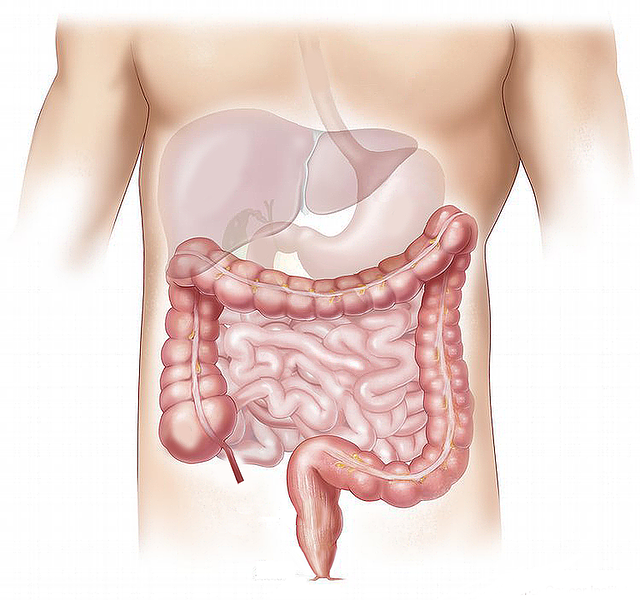
Digestive symptoms can arise from temporary illnesses, dietary factors, medication effects, or underlying gastrointestinal and liver conditions. Assessment helps determine whether simple measures are appropriate or further investigation is required.
1. Liver Disorders
What Are Liver Disorders?
Liver disorders include a range of conditions affecting liver structure or function, such as fatty liver disease, viral hepatitis, alcohol-related liver disease, and medication-related liver injury.
Some liver conditions remain asymptomatic until they become more advanced.
Common Symptoms
- Fatigue
- Abdominal discomfort, particularly on the right side
- Nausea or reduced appetite
- Yellowing of the skin or eyes
- Dark urine or pale stools
- Abdominal or leg swelling in more advanced disease
How Medical Assessment Helps
Assessment may include reviewing symptoms, alcohol use, medicines and supplements, metabolic risk factors, and relevant medical history.
Depending on the findings, liver function tests, viral hepatitis testing, ultrasound, or other investigations may be appropriate.
Management depends on the underlying cause and may involve lifestyle changes, treatment of the specific condition, medication review, and specialist referral.
Consultation Options
In-person consultation is useful for initial assessment. Online follow-up may be suitable for reviewing existing reports and discussing an established condition when physical examination is not required.
When Urgent or Specialist Care May Be Necessary
New jaundice requires prompt medical assessment. Vomiting blood, black tarry stools, confusion, severe abdominal pain, or rapidly increasing abdominal swelling requires emergency evaluation.
Persistent liver abnormalities, suspected hepatitis, or advanced liver disease may require specialist care.
https://youtube.com/shorts/i71OanfrtNc?si=RdDRqEVmbJgD7MFR
2. Irritable Bowel Syndrome (IBS)
What Is IBS?
Irritable bowel syndrome is a disorder of gut–brain interaction that affects bowel function. It can cause recurring abdominal pain associated with changes in bowel habits, without necessarily indicating structural damage to the intestine.
IBS may be associated with diarrhoea, constipation, or a combination of both.
Common Symptoms
- Recurrent abdominal pain or cramping
- Bloating and excess gas
- Diarrhoea, constipation, or alternating bowel habits
- A feeling of incomplete bowel emptying
- Symptoms that vary with meals or stress
How Medical Assessment Helps
A consultation may include reviewing symptom patterns, diet, medicines, stress, and family history.
The doctor may assess whether symptoms fit IBS and whether investigations are needed to exclude other conditions. Management may include individualised dietary advice, lifestyle measures, symptom-directed treatment, and follow-up.
Consultation Options
Online consultations may be suitable for discussing established, stable symptoms and reviewing dietary patterns. In-person assessment is advisable for new, persistent, or unexplained symptoms.
When Urgent or Specialist Care May Be Necessary
Blood in the stool, unexplained weight loss, persistent fever, anaemia, a palpable abdominal lump, or symptoms that repeatedly wake a person at night require medical evaluation. Severe abdominal pain or substantial gastrointestinal bleeding requires urgent care.
3. Bloating, Diarrhoea & Constipation
What Are These Symptoms?
Bloating is a sensation of abdominal fullness or swelling. Diarrhoea involves frequent loose or watery stools, while constipation may involve infrequent bowel movements, hard stools, or difficulty passing stools.
These symptoms may occur because of dietary factors, infections, medication effects, IBS, or other digestive disorders.
Common Symptoms
- Abdominal fullness or excess gas
- Loose or watery stools
- Hard stools or straining
- Abdominal cramps
- Changes in bowel frequency
- Urgency or a feeling of incomplete emptying
How Medical Assessment Helps
Assessment may include the duration and frequency of symptoms, dietary history, hydration, medication review, recent travel or infections, and relevant medical conditions.
Tests may be recommended when symptoms are persistent, severe, recurrent, or associated with warning signs. Management depends on the cause and may include hydration, appropriate dietary measures, medication review, or targeted treatment.
Consultation Options
Online consultations may help with selected mild, stable symptoms. In-person evaluation is appropriate when symptoms persist, recur frequently, or require physical examination or testing.
When Urgent or Specialist Care May Be Necessary
Severe abdominal pain, persistent vomiting, inability to pass stool or gas with abdominal swelling, bloody or black stools, or signs of severe dehydration require urgent evaluation.
Persistent diarrhoea, unexplained weight loss, or ongoing changes in bowel habits may require further investigations or gastroenterology referral.
E. MUSCULOSKELETAL CONDITIONS
Musculoskeletal conditions affect the joints, muscles, bones, or spine. They may cause pain, stiffness, and difficulty with everyday activities. Assessment helps distinguish common musculoskeletal problems from conditions requiring urgent or specialist care.
1. Osteoarthritis
What Is Osteoarthritis?
Osteoarthritis is a joint condition involving changes in cartilage and other joint tissues. It commonly affects the knees, hips, hands, and spine and may cause pain, stiffness, and reduced mobility.
Common Symptoms
- Joint pain during movement or activity
- Stiffness after rest
- Reduced range of motion
- Joint tenderness
- Difficulty walking, climbing stairs, or performing daily activities
How Medical Assessment Helps
A consultation may include reviewing symptoms, examining the affected joint, assessing mobility, and considering other possible causes of pain.
Imaging or laboratory tests may be recommended when indicated. Management may involve appropriate exercise, weight management where relevant, physiotherapy, and suitable pain-relief options based on the patient’s health profile.
Consultation Options
In-person consultation is helpful for joint examination. Online follow-up may be suitable for reviewing progress and discussing an established management plan.
When Urgent or Specialist Care May Be Necessary
A suddenly hot, red, swollen, very painful joint—especially with fever—requires urgent assessment because infection or another serious condition must be considered.
Severe functional limitation, persistent pain, or symptoms that do not improve may require specialist evaluation.
2. Gout
What Is Gout?
Gout is a form of inflammatory arthritis caused by urate crystal deposits in joints. It can produce sudden, intensely painful episodes of joint inflammation.
Common Symptoms
- Sudden severe joint pain
- Swelling, redness, and warmth
- Marked tenderness
- Frequently, but not exclusively, pain in the joint at the base of the big toe
- Recurrent episodes involving other joints
How Medical Assessment Helps
Assessment may include reviewing the pattern of attacks, medicines, kidney health, alcohol intake, and other risk factors.
Blood urate levels can contribute to assessment but do not, by themselves, confirm or exclude gout. Joint-fluid analysis may be needed in selected cases to establish the diagnosis or exclude infection.
Management may include treatment of acute attacks and, when indicated, long-term urate-lowering therapy with appropriate monitoring.
Consultation Options
In-person assessment is particularly useful during a first attack or when the diagnosis is uncertain. Online follow-up may help with monitoring an established condition when clinically appropriate.
When Urgent or Specialist Care May Be Necessary
A first episode of a severely painful, hot, swollen joint requires prompt assessment, particularly if fever is present. Joint infection must not be mistaken for gout.
Recurrent attacks, kidney stones, or difficult-to-control gout may require specialist input.
3. Cervical Spondylosis
What Is Cervical Spondylosis?
Cervical spondylosis refers to age-related or degenerative changes in the bones, discs, and joints of the neck. These changes are common and do not always cause symptoms.
Common Symptoms
- Neck pain or stiffness
- Discomfort extending to the shoulders
- Headache associated with neck symptoms
- Pain, tingling, or numbness extending into an arm
- Reduced neck movement
How Medical Assessment Helps
Assessment may include reviewing symptoms, posture, work activities, and medical history, followed by a neurological and musculoskeletal examination when possible.
Imaging may be recommended when clinically indicated. Management may include appropriate activity modification, physiotherapy, exercises, and suitable pain-relief options.
Consultation Options
In-person consultation is useful for neurological and physical examination. Online consultation may support follow-up and general advice but cannot replace an examination when nerve or spinal cord involvement is suspected.
When Urgent or Specialist Care May Be Necessary
New or progressive limb weakness, difficulty walking, loss of coordination, or loss of bladder or bowel control requires urgent medical evaluation.
Persistent radiating pain, significant numbness, or suspected nerve compression may require specialist assessment.
4. Frozen Shoulder
What Is Frozen Shoulder?
Frozen shoulder, also called adhesive capsulitis, is a condition in which the shoulder becomes painful and progressively stiff, limiting movement. It may develop gradually and can be associated with diabetes.
Common Symptoms
- Shoulder pain
- Difficulty reaching overhead
- Reduced ability to rotate the arm
- Difficulty dressing or reaching behind the back
- Disturbed sleep due to shoulder pain
How Medical Assessment Helps
Assessment may include reviewing the onset of pain, examining shoulder movement, and considering other causes such as rotator cuff problems or arthritis.
Management may include appropriate pain relief, guided exercises, physiotherapy, and further treatment depending on the severity and stage of the condition.
Consultation Options
In-person consultation is useful for assessing shoulder movement. Online follow-up may be appropriate for reviewing progress and discussing an established exercise plan.
When Urgent or Specialist Care May Be Necessary
Shoulder pain following significant injury, visible deformity, sudden loss of movement, or pain accompanied by chest discomfort or breathlessness requires urgent assessment.
Persistent severe pain or substantial restriction of movement may require specialist evaluation.
F. GENERAL MEDICAL CONDITIONS
General Medicine consultations help assess common symptoms and a broad range of health concerns. The purpose is to identify likely causes, determine whether investigations are needed, and decide whether treatment, monitoring, or specialist referral is appropriate.
1. Fever
What Is Fever?
Fever is a temporary rise in body temperature that commonly occurs when the body responds to an infection or another inflammatory process.
The cause may range from a self-limiting viral illness to an infection requiring specific treatment.
Common Symptoms
- Elevated body temperature
- Chills or sweating
- Headache
- Body aches
- Fatigue
- Reduced appetite
Other symptoms may depend on the underlying cause.
How Medical Assessment Helps
A consultation may include reviewing the duration of fever, associated symptoms, travel, exposure history, vaccination status, existing medical conditions, and medicines.
Depending on the clinical findings and local disease patterns, investigations may be recommended for conditions such as dengue, malaria, urinary infection, or other infections.
Treatment depends on the cause. Antibiotics are appropriate for selected bacterial infections, not for every fever.
Consultation Options
Online consultation may be suitable for selected mild symptoms when the patient is stable and can be assessed safely. In-person evaluation may be necessary for persistent fever, dehydration, worsening symptoms, or suspected complications.
When Urgent or Specialist Care May Be Necessary
Seek urgent care for confusion, severe breathing difficulty, seizures, fainting, severe dehydration, a stiff neck with severe headache, severe abdominal pain, or unusual bleeding.
Infants, older adults, pregnant patients, and people with weakened immunity may require earlier medical assessment. Fever in a very young infant requires prompt medical evaluation.
2. Common Infections
What Are Common Infections?
Infections occur when microorganisms, including viruses, bacteria, fungi, or parasites, enter and multiply in the body. The symptoms and treatment depend on the site and cause of the infection.
Examples include respiratory infections, selected skin infections, urinary tract infections, and gastrointestinal infections.
Common Symptoms
- Fever or chills
- Cough or sore throat
- Pain or burning during urination
- Diarrhoea or vomiting
- Skin redness, swelling, or discharge
- Fatigue or general weakness
How Medical Assessment Helps
The consultation may include a review of symptoms, examination where necessary, relevant exposure history, and assessment of risk factors.
Tests such as urine analysis, blood tests, cultures, or other targeted investigations may be appropriate depending on the suspected infection.
Treatment is based on the likely or confirmed cause. Antibiotics, antifungals, and antiparasitic medicines are used only when indicated; unnecessary antimicrobial use can cause harm and contribute to resistance.
Consultation Options
Online consultation may be suitable for selected mild conditions or follow-up. In-person assessment may be necessary for significant symptoms, suspected complications, or conditions requiring examination and testing.
When Urgent or Specialist Care May Be Necessary
Severe breathlessness, confusion, reduced consciousness, rapidly spreading skin redness, severe dehydration, or other signs of serious illness require urgent care.
Recurrent, unusual, persistent, or difficult-to-treat infections may require specialist assessment.
3. Other Conditions Assessed Within General Medicine
General Medicine also involves assessing symptoms that may not initially point to a single diagnosis.
Examples include:
- Unexplained fatigue or weakness
- Headache or dizziness
- Sleep-related concerns
- General digestive discomfort
- Thyroid-related symptoms
- Multiple chronic conditions requiring coordinated care
- Review of existing medical reports and investigations
How Medical Assessment Helps
The consultation may involve a detailed history, review of current medicines, appropriate physical examination, and selection of investigations based on the symptoms and clinical findings.
The aim is to identify potential causes, avoid unnecessary testing, establish an appropriate management plan, and arrange specialist referral when needed.
Consultation Options
In-person consultations may be appropriate for new or unexplained symptoms. Online consultations may be suitable for selected follow-up appointments, review of existing reports, and general medical guidance.
When Urgent or Specialist Care May Be Necessary
Sudden severe headache, new weakness on one side of the body, difficulty speaking, loss of consciousness, severe chest pain, or significant breathing difficulty requires emergency medical care.
Persistent unexplained symptoms, abnormal investigations, or conditions beyond the scope of General Medicine may require specialist referral.
CANCER AWARENESS
Early Detection. Timely Diagnosis. Better Health Outcomes.
Cancer is one of the major global public health challenges, affecting millions of individuals and families every year. It develops when abnormal cells grow uncontrollably and may invade surrounding tissues or spread to other parts of the body. Although cancer remains a significant healthcare concern, advances in medical science, early diagnosis, screening and modern treatment approaches have improved outcomes for many cancer patients.
Understanding Cancer
Cancer can affect almost any organ or tissue in the human body. Some commonly encountered types include breast cancer, lung cancer, colorectal cancer, prostate cancer, cervical cancer, liver cancer and blood cancers such as leukemia.
Common Warning Signs and Symptoms
Recognising potential warning signs can help individuals seek timely medical evaluation. These include:
- Unexplained weight loss.
- Persistent fatigue or weakness.
- Unusual lumps or swellings.
- Persistent cough or changes in voice.
- Changes in bowel or bladder habits.
- Unexplained bleeding or abnormal discharge.
- Difficulty swallowing or persistent indigestion.
- Changes in the appearance of moles or skin lesions.
- Persistent pain without an identifiable cause.
These symptoms do not necessarily indicate cancer but should be medically evaluated when persistent or unexplained.
Cancer Prevention and Risk Reduction
Although not all cancers are preventable, several lifestyle modifications can reduce the risk of developing certain cancers:
- Avoid tobacco in all forms.
- Limit or avoid alcohol consumption.
- Maintain a healthy body weight.
- Follow a balanced diet rich in vegetables, fruits and fibre.
- Participate in regular physical activity.
- Protect your skin from excessive ultraviolet radiation.
- Follow recommended vaccination schedules, including HPV and hepatitis B vaccination where appropriate.
- Participate in age- and risk-appropriate cancer screening programmes.
Importance of Early Detection and Screening
Cancer screening helps identify certain cancers or precancerous changes before symptoms develop. Depending on age, sex, medical history and individual risk factors, screening may include mammography, cervical cancer screening, colorectal cancer screening and other clinically indicated investigations.
Early detection can improve treatment opportunities and potentially reduce cancer-related complications and mortality.
The Role of Dhingra Clinic
At Dhingra Clinic, we believe that healthcare begins with awareness, prevention, timely medical consultation and evidence-based clinical decision-making.
Our approach to General Medicine focuses on:
- Health education and cancer awareness.
- Assessment of unexplained symptoms and clinical risk factors.
- Identification of individuals who may benefit from cancer screening.
- Guidance regarding appropriate diagnostic evaluation.
- Referral to relevant specialists for suspected or confirmed malignancies.
- Patient education regarding lifestyle modification and preventive healthcare.
Our Commitment
Dhingra Clinic promotes scientifically informed healthcare, patient safety and transparent medical communication. We encourage individuals to prioritise preventive health check-ups and seek professional medical advice whenever concerning symptoms arise.
Remember: Early detection can make a meaningful difference. Do not ignore persistent symptoms. Take charge of your health today.