We have expertise in field of General Medicine. The name of Doctor is Dhingra Jagjeet Singh who has profound experience in field of General medicine from past many years. He is adept in providing better healthcare to his patients through online medical consultations that are benchmark and primary goals of this physician.He deals with various kinds of diseases that include Diabetes, Hypertension, Gout, Hyperthyroidism, Cancers, Obesity, Piles, Respiratory conditions like Asthma, Tuberculosis, Chronic Obstructive Lung Disease, Bronchiectasis, Pneumonia, Alcoholism, Generalised Anxiety Disorder, Metabolic syndrome, Coronary artery disease, Different kinds of Bacterial, Viral, Parasitc and fungal infections, Sleep apnea, Benign prostatic hyperplasia, GI (Gastro intestinal disorders) such as Gastric ulcer, Bloating, Irritable bowel syndrome associated with diarrhea and constipation, Urinary retention, Disc bulge, osteoarthritis, frozen shoulder, rheumatoid arthritis, Pyrexia, Amoebic dysentery and many more diseases. Our main focus is to provide holistic management and providing medical advises related to stress, nutrition, and lifestyle management.

Details of above mentioned diseases
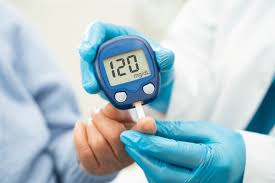
Diabetes-It is a chronic condition that shows increased level of glucose in blood due to insulin decrease or insulin resistance leading to organ damage like nerves, blood vessels, kidney, eyes and Brain. The levels are more than 120 mg/dl that can result in this condition.
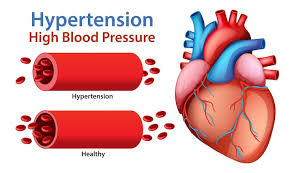
Hypertension- The rise in blood pressure more than 140/90 mm of Hg that can cause target organ damage affecting Heart, Kidneys, Liver and Brain leading to heart attack and stroke. Risk factors include age, family history, ethnicity, unhealthy diet, weight, smoking, and stress. These risk factors must be managed on right time to avoid severe conditions.
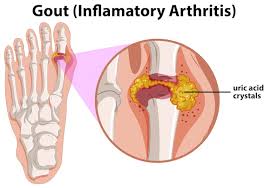
Gout-It is a painful inflammatory condition of joints wherein within joints uric acid crystals get deposited often big toe of foot leading to intense redness, calor, Swelling.Levels above 6.8 mg/dl results in this condition.
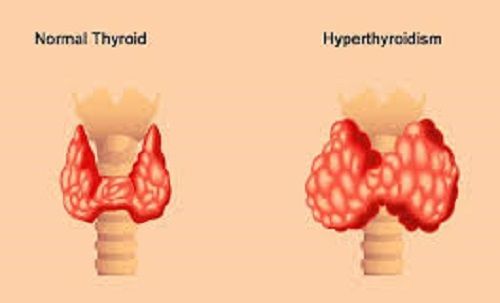
Hyperthyroidism- It is a condition where thyroid hormones particularly T4 and T3 are above 12 microgram per dl and 200 nanogram per dl respectively. The TSH level gets reduced below 0.4 mIU per liter. It increases body metabolism mainly leading to increased heart rate, anxiety, heat sensitivity and weight loss.
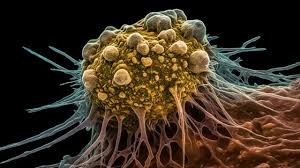
Cancers- There are many kinds of cancers that can affect Brain, Thyroid, Lungs, Heart, Bone, Pancreas, Liver, Kidneys, Urinary bladder, Prostate gland, Skin, Breast etc. They are uncontrolled proliferation of cells forming lumps in different organs which can be associated with metastasis through Blood, lymph, CSF. They are graded as initial to final stages according to TNM staging.
Obesity- It is a complex disease where excess fat gets deposited below skin leading to increase in BMI above 30 kg per meter square. It increases risk for Diabetes, Hypertension, Cancers and many other co-morbidities.

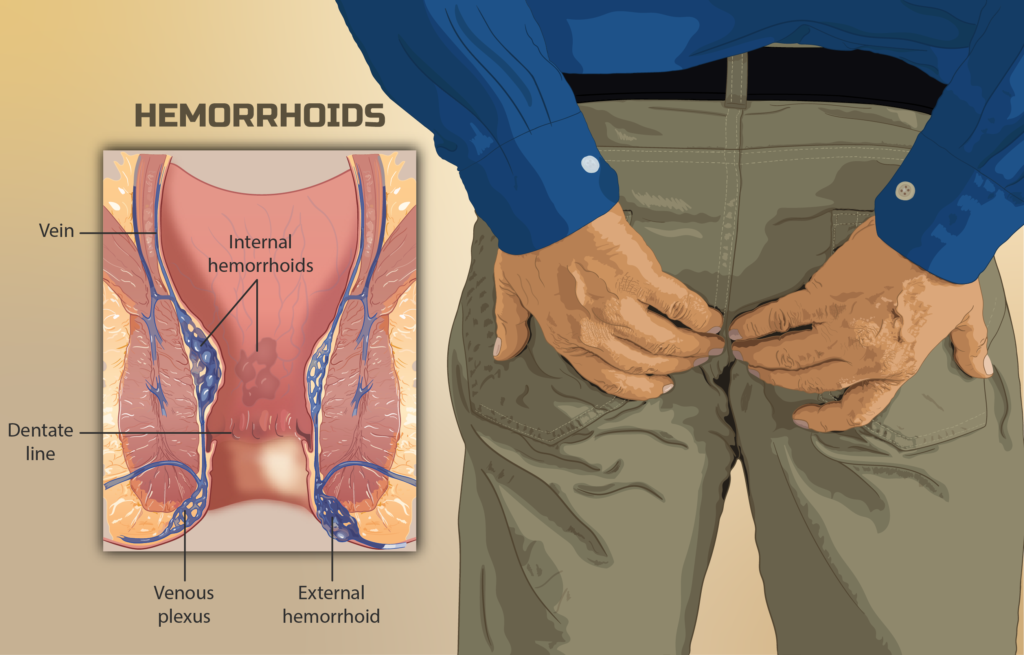
Piles- It is also known as Hemorrhoids where the venous plexsues in lower rectum and anus get swollen leading to pain, bleeding and difficulty passing stools with constipation. It is non serious condition that can be resolved with surgery by repairing the venous plexuses.
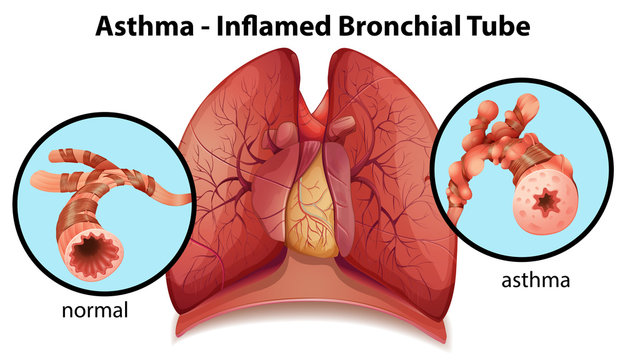
Asthma- It is the chronic inflammatory condition of airways where excess mucus get deposited leading to shortness of breath, wheezing, coughing, chest tightness. It can can be triggered by allergens like pollen, dust, dander, food etc. There is no cure to this condition but can be controlled by therapeutic intervention.
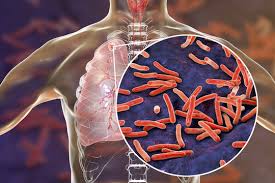
Tuberculosis- It is a bacterial disease of lungs caused by bacteria named Mycobacterium tuberculosis. It is acid fast bacilli that can exhibit symptoms like blood in sputum, weight loss, night sweats. It is contagious infection that spread through sneezes and respiratory aerosol of person infected with TB. Tuberculosis can spread through blood leading to disseminated TB. It can be screened by Mantoux test with induration on skin detected by inherent capacity of our immune system.
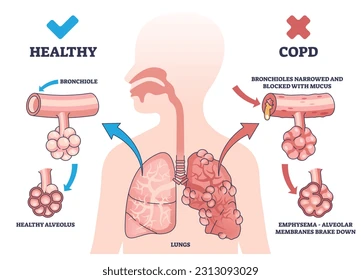
Chronic Obstructive Lung Disease- It includes chronic bronchitis and Emphysema. If there is coughing more than 3 months for more than two consecutive years than it is diagnosed as chronic bronchitis. In Emphysema there are air filled cavities in lungs that are formed due to collapse of alveoli in lungs. This condition is common in smokers who smokes lot of cigarette, there by increasing packs per year. It reduces air entry into the lungs that result in shortness of breath, fatigue, prolonged coughing.
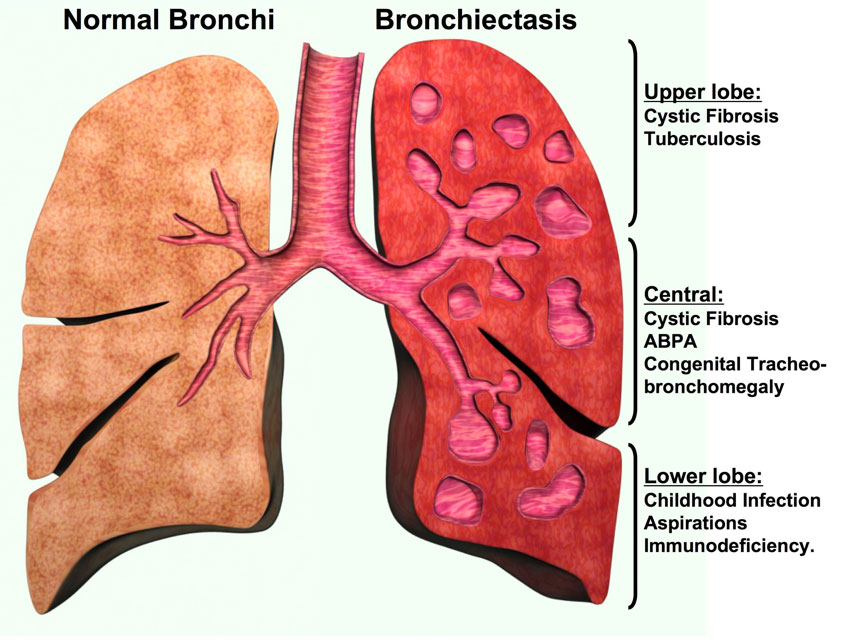
Bronchiectasis- There is dilation of airways due to damage of airways where there is permanent enlargement of airways. It is seen in cystic fibrosis, (Genetic Disorder) and in infections caused by bacteria and virus.
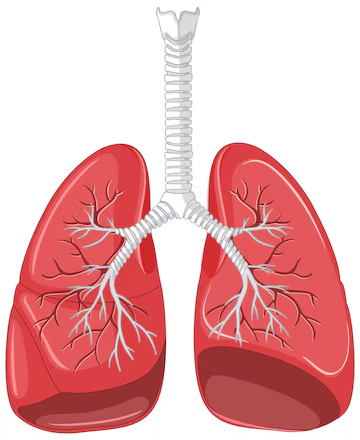
Pneumonia-It is a consolidation in any lobe of the lung that can be linked to bacteria, virus and fungi infection. There can be typical pneumonia and atypical pneumonia based on type of causative agent. The gold standard in diagnosing pneumonia is by chest X ray. There can be recovery of patient by treating with broad spectrum antibiotics.
Alcoholism- It is a chronic condition that can show intense cravings, intolerance and excess drinking. It is a sedative like compound that calms the brain initially but later leads to chronic addiction. If an alcoholic person stops alcoholism he can have withdrawal symptoms. The cravings in alcoholics is subsided by Methadone mainly by going to deaddiction campaigns.

Generalised Anxiety Disorder- It is a mental health condition that can show apprehensiveness about day to day activities(work, home, sleep) that becomes worry some if impairment of cognition becomes weak and last for more than 6 months on average. It can display symptoms like restlessness, fatigue, sleep problems, irritability, muscle tension and interfering day to day life.

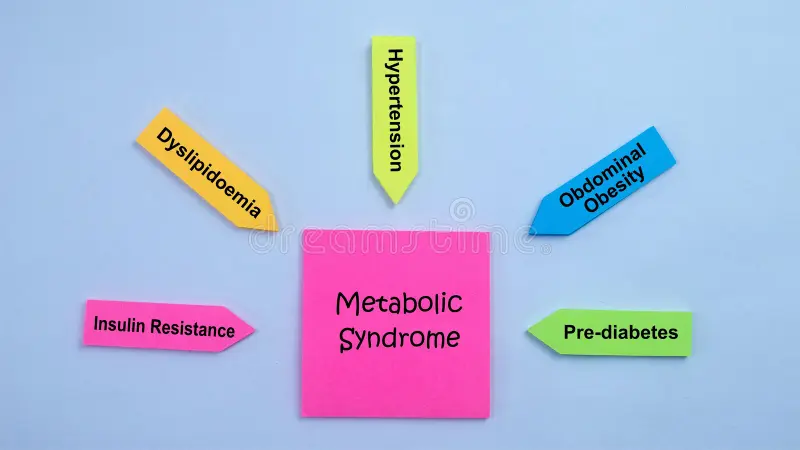
Metabolic syndrome involves having at least 3 out of 5(High BP, High Glucose, High Triglycerides) health conditions that increase your risk of cardiovascular disease, stroke and Type 2 diabetes. It can cause other complications as well. Each condition is treatable with lifestyle changes and/or medication.
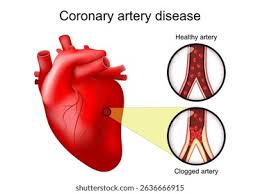
Coronary Artery Disease- When there is blockage in arteries of Heart that can decreased blood flow to heart muscle leading to initially ischemia later to myocardial infarction that can be diagnosed with ECG and coronary angiography. On ECG we can see ST elevation indicating dead tissue in heart. The main treatment in treating this condition is coronary angioplasty.
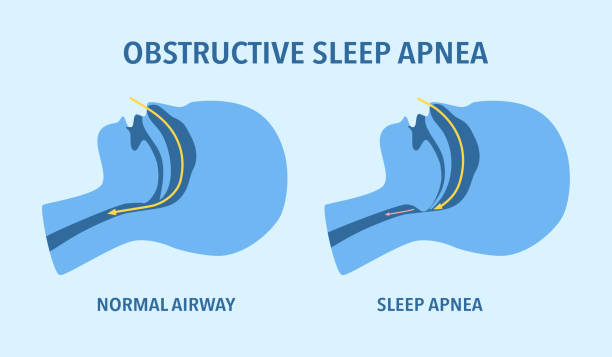
Sleep apnea- Sleep apnea is a serious sleep disorder here, there is start and stop breathing, often due to airway blockage (Obstructive Sleep Apnea – OSA) or the brain failing to signal muscles to breathe (Central Sleep Apnea – CSA), leading to loud snoring, gasping, daytime fatigue, and oxygen drops, increasing risks for heart disease, high blood pressure. The episodes of sleep apnea can be controlled with lifestyle changes and CPAP machines.
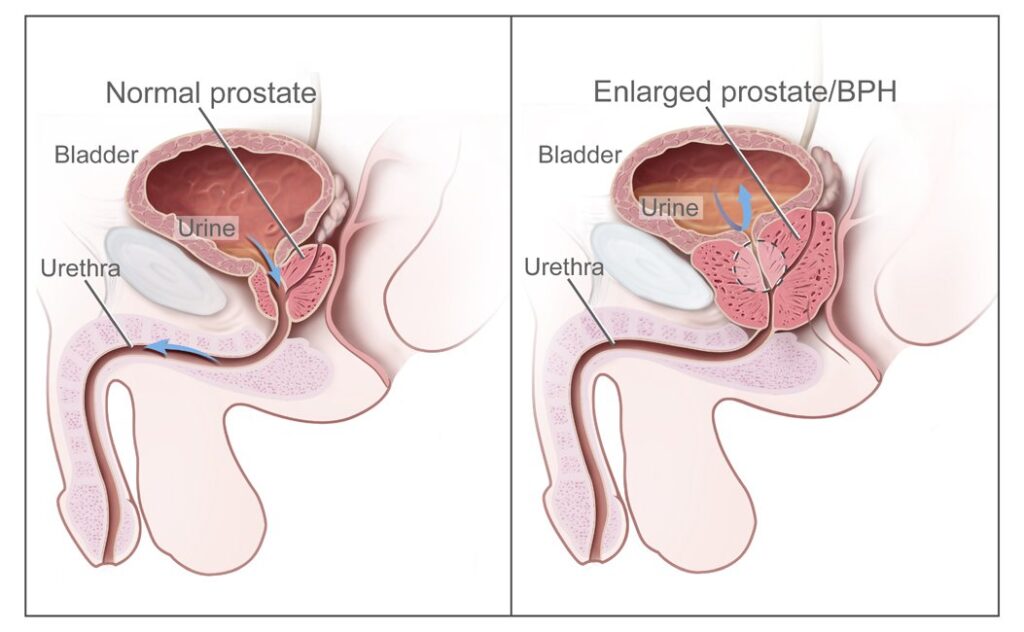
Benign prostatic hyperplasia- Benign Prostatic Hyperplasia (BPH) is a common, non-cancerous enlargement of the prostate gland in older men that squeezes the urethra, causing urinary issues like frequent urination, weak stream, and urgency. While many men have no symptoms, BPH can lead to complications like UTIs or bladder stones. Diagnosis involves digital rectal exams, PSA tests, and flow studies, with treatments ranging from lifestyle changes and medications,and surgery for severe cases.
A gastric ulcer, also known as a stomach ulcer, is an open sore, found in mucosal lining of stomach. It occurs when the thick layer of mucus that protects the stomach from digestive juices is reduced, allowing acid to eat away at the stomach tissue and is caused by bacteria Helicobacter pylori that damages stomach lining. The ulcer in stomach can perforate, penetrate and bleed. So to avoid these complications the infection caused by pylori is treated with antibiotics.

Bloating-A bloated stomach is first and foremost a feeling of tightness, pressure or fullness in your belly. It may or may not be accompanied by a visibly distended (swollen) abdomen. The feeling can range from mildly uncomfortable to intensely painful. It usually goes away after a while, but for some people, it’s a recurring problem. Digestive issues and hormone fluctuations can cause cyclical bloating.

Irritable Bowel Syndrome-Irritable bowel syndrome (IBS) is a group of symptoms that affect your digestive system. It’s a common but uncomfortable gastrointestinal disease, or condition that affects your intestines.
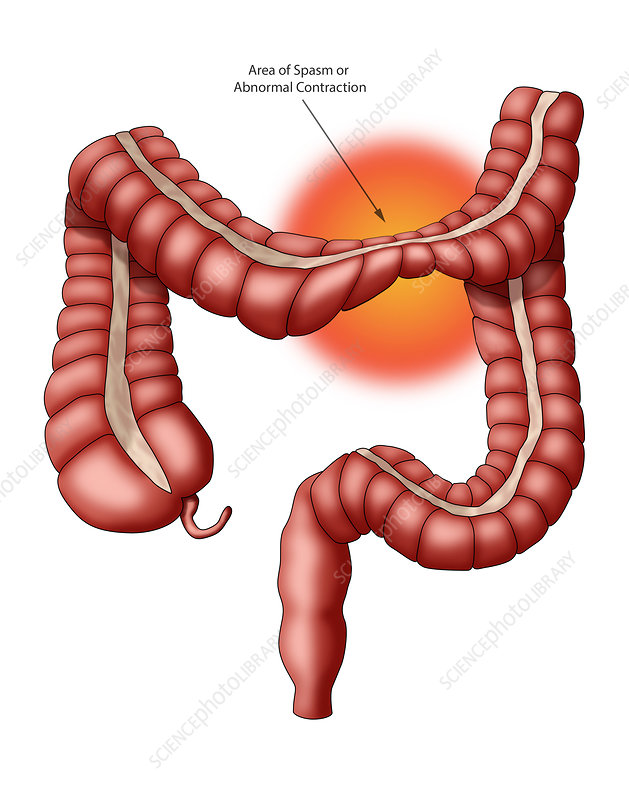
People with IBS experience symptoms that include abdominal pain and cramps. With IBS, you may also have frequent diarrhea, constipation or both. IBS doesn’t cause tissue damage in your GI (gastrointestinal) tract or increase your risk of more serious conditions, like colon cancer. Instead, it’s a chronic (long-term) condition that most people can manage by changing their routines and what they eat, taking medications and receiving behavioral therapy.
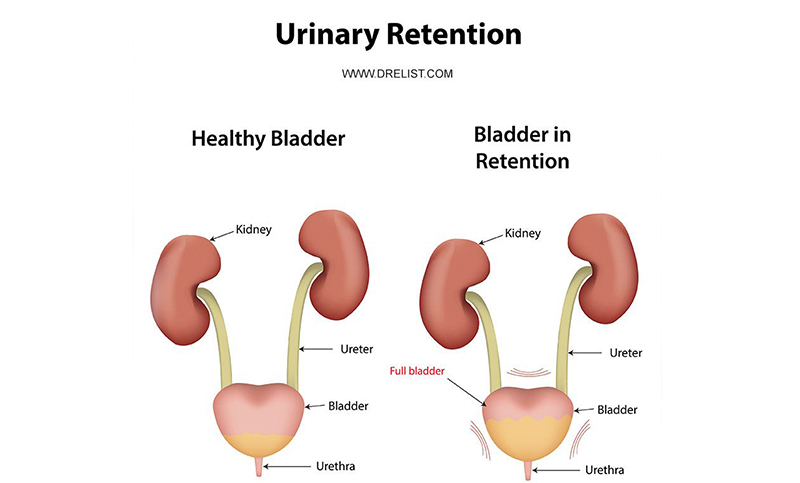
Urinary retention-Urinary retention is a condition where your bladder doesn’t empty all the way or at all when you urinate (pee). Your bladder is like a storage tank for your pee (or urine). Pee is made up of the waste that your kidneys filter from your body. After your kidneys make your pee, it moves to your bladder where it sits until you empty it. Your urethra is the tube that carries your pee from your bladder out of your body.
Herniated disk occurs when one of the disks in your spine (backbone) tears or leaks due to natural wear and tear or injury. This puts pressure on your spinal cord and irritates your spinal nerves, leading to pain, numbness and weakness.
You have a series of bones (vertebrae) in your spine, stretching from the base of your skull to your tailbone. Between your vertebrae are round cushions called disks. The disks act as buffers between your bones, allowing you to bend and move with ease. Over time, the disks become less effective and may become displaced. When this occurs, it’s called a herniated disk.

Osteoarthritis-Osteoarthritis is the most common form of arthritis, affecting millions of people worldwide. It happens when the protective cartilage that cushions the ends of the bones wears down over time.
Although osteoarthritis can damage any joint, the condition most commonly affects joints in the hands, knees, hips and spine.
Osteoarthritis symptoms can usually be managed, although the damage to joints can’t be reversed. Staying active, maintaining a healthy weight and receiving certain treatments might slow progression of the disease and help improve pain and joint function.

Frozen shoulder, also called adhesive capsulitis, involves stiffness and pain in the shoulder joint. Signs and symptoms typically begin slowly, then get worse. Over time, symptoms get better, usually within 1 to 3 years.
Having to keep a shoulder still for a long period increases the risk of developing frozen shoulder. This might happen after having surgery or breaking an arm.
Treatment for frozen shoulder involves range-of-motion exercises. Sometimes treatment involves corticosteroids and numbing medications injected into the joint. Rarely, arthroscopic surgery is needed to loosen the joint capsule so that it can move more freely.
It’s unusual for frozen shoulder to recur in the same shoulder. But some people can develop it in the other shoulder, usually within five years.
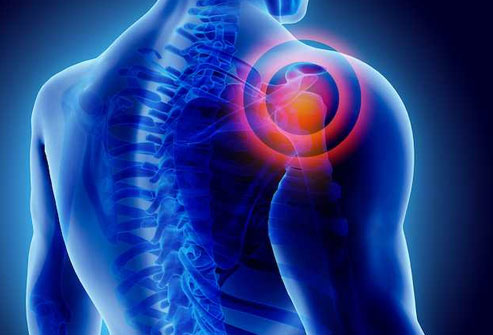
Rheumatoid arthritis is an ongoing, called chronic, condition that causes pain, swelling and irritation, called inflammation, in the joints. But it also can damage other parts of the body. These may include the skin, eyes, lungs, heart and blood vessels.
Rheumatoid arthritis happens when the immune system attacks its own body’s tissues by mistake. This is called an autoimmune condition.
Rheumatoid arthritis differs from the more common osteoarthritis. Some people have both. Osteoarthritis causes damage to joints from overuse. Rheumatoid arthritis affects the lining of the joints and eats away at the bone under them. This causes a painful swelling that can cause joints to bend out of shape over time, called deformity.
The inflammation of rheumatoid arthritis also can damage other parts of the body. New medicines have improved treatment choices greatly. But rheumatoid arthritis still can cause long-term damage and increase the risk of heart disease.

Pyrexia- It is commonly known as Fever where body temperature is above 38 degree celcius. The main mechanism is, resetting of Hypothalamus to high temperature. The immune system produces immune cells mainly neutrophils in response to bacterial infection and lymphocytes mainly T cells to viral infection. It is a protective immune response that is produced in reponse to general infection. The above mentioned cells produces specific enzymes that act against the infections. There can be fever of unknown origin that can be treated with antipyretics.
Amoebic dysentery- Amebiasis, or amoebic dysentery, is a gastrointestinal illness that develops when an organism called a parasite enters your intestines. The illness may cause diarrhea, nausea, stomach cramps and fever. Healthcare providers usually treat it with antibiotics.